Public Announcements
ACI - Missouri Chapter announces Kristen Freeman as Executive Director
ST LOUIS—May 12, 2026—The Missouri Chapter of the American Concrete Institute (ACI Missouri) today announced Kristen Freeman as its next Executive Director. Freeman will succeed Karin O’Brien, PE, LEED AP, WEDG, who departs after seven years of serving the organization to join Terracon.

Freeman brings extensive experience in the concrete industry. She currently serves with the Concrete Promotional Group of Greater Kansas City (CPG), where she has been actively involved in promoting concrete construction and industry engagement. She also serves as Executive Director of the ACI Kansas Chapter and has held numerous leadership roles within the chapter, including Board Member, President, and committee leadership positions supporting certification, communications, and outreach.
Freeman received her Bachelor of Science in Geology from the University of Wisconsin–Oshkosh and her Master of Science in Geology from the New Mexico Institute of Mining and Technology. She began her career in petrography and has developed a strong technical foundation, complemented by broad experience in association leadership and operations within the concrete industry. She is skilled in both the technical and organizational aspects of the field, bringing a well-rounded perspective to her new role.
“We are thrilled to welcome Kristen to ACI Missouri.” said ACI Missouri President Jim Solari. “Her dedication to the industry, collaborative leadership style, and deep understanding of our members’ needs will be a tremendous asset to the chapter and the concrete community.”
“I am honored to join ACI Missouri,” said Freeman. “I look forward to building on the chapter’s strong legacy while enhancing how we serve the concrete community.”
Freeman will continue her work with CPG and the ACI Kansas Chapter while also leading ACI Missouri, further strengthening regional collaboration and impact across the Midwest concrete industry.
________________________________________
ABOUT ACI MISSOURI
The Missouri Chapter of the American Concrete Institute is dedicated to furthering engineering and technical education, scientific investigation, research, and development of standards for the design and construction of concrete structures.
ACI Missouri supports students, engineers, contractors, and material suppliers through certification programs, seminars, scholarships, and partnerships across the concrete industry. To learn more or to join today visit acimissouri.org.
2026 ACI Missouri Chapter Scholarship Awardees
The ACI Missouri Chapter is thrilled to celebrate the incredible students who submitted applications this year - your passion and dedication to the concrete industry inspire us all!
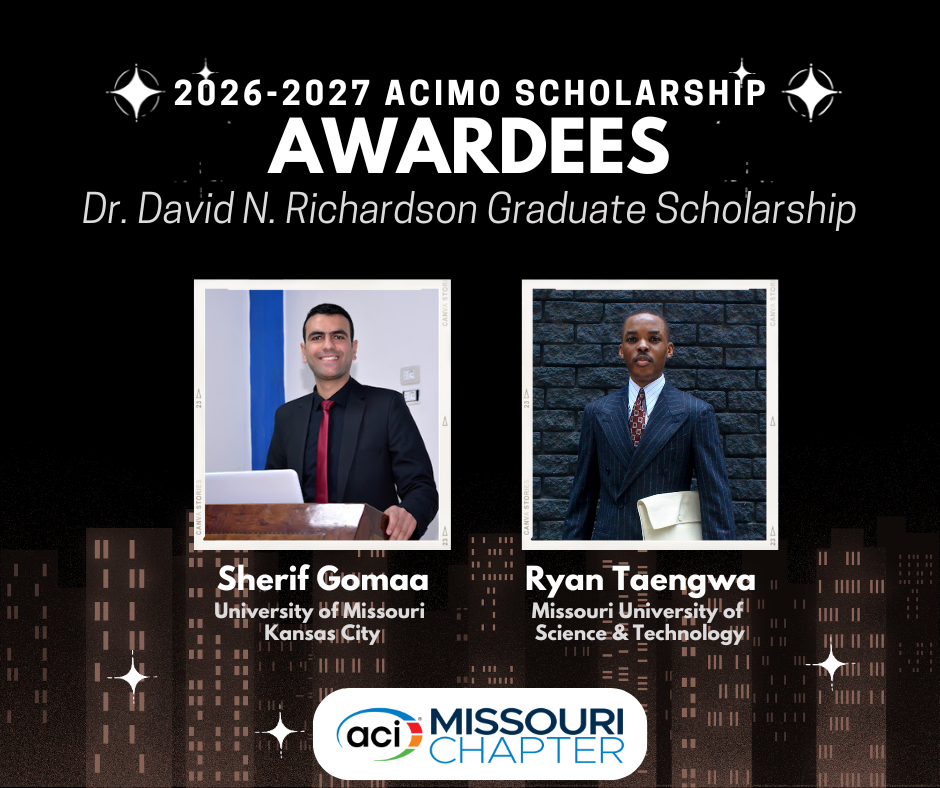
🏆 Dr. David N. Richardson Graduate Scholarship - $5000 each
Sherif Gomaa | UMKC
Ryan Taengwa | Missouri S&T
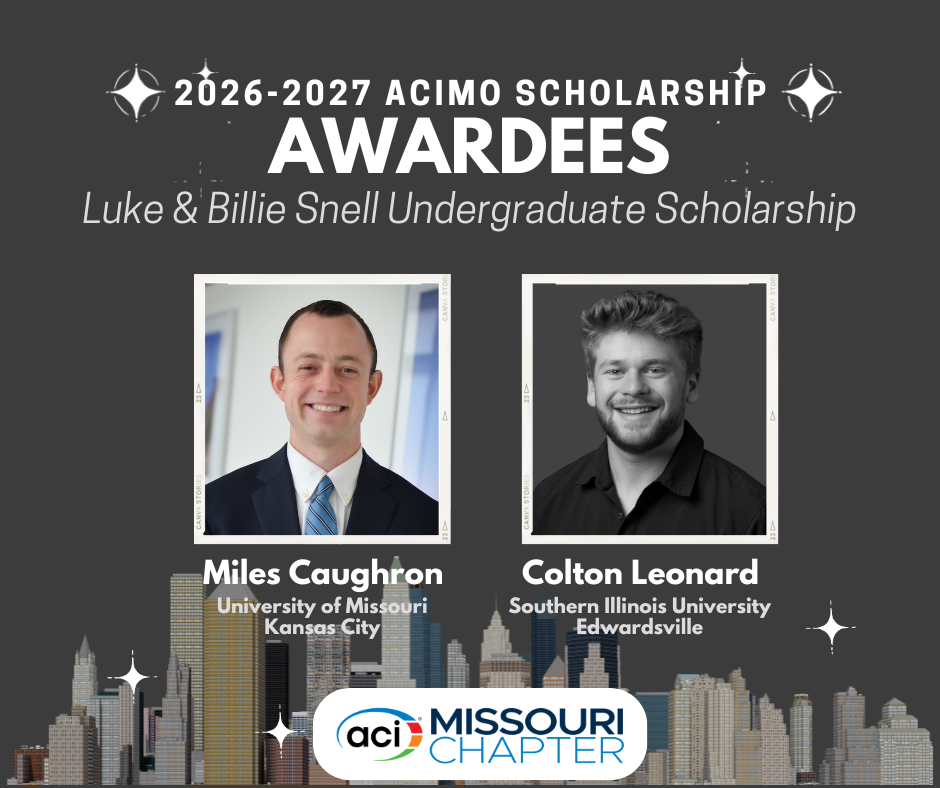
🏆 Luke & Billie Snell Undergraduate Scholarship - $5000 each
Miles Caughron | UMKC
Colton Leonard | SIUE
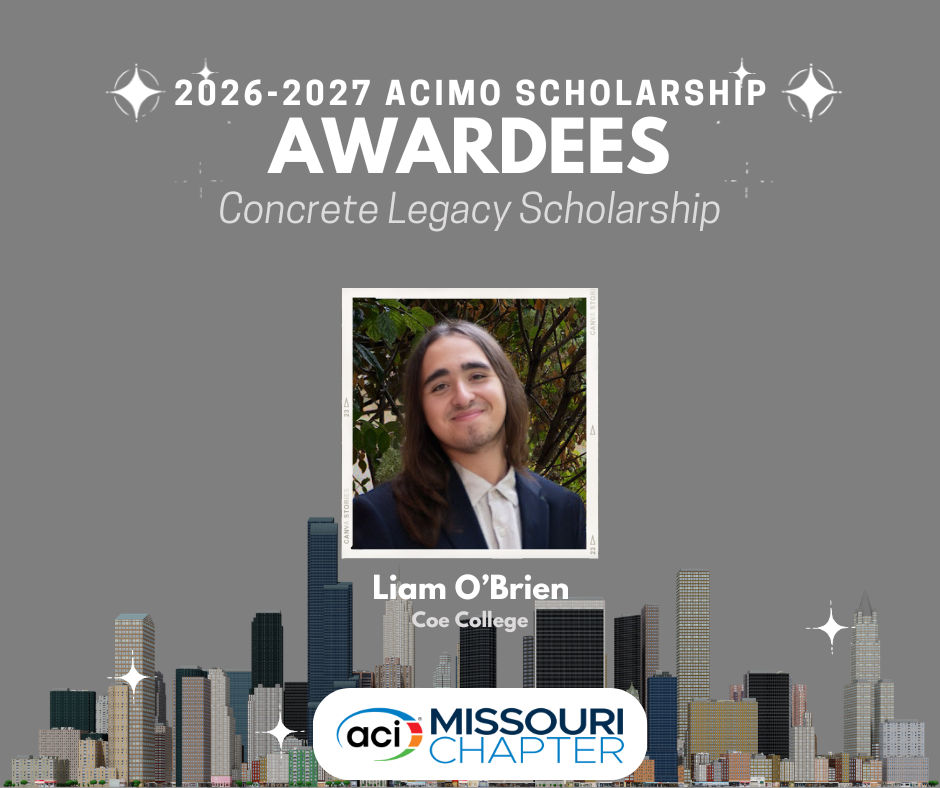
🏆 Concrete Legacy Scholarship - $2500
Liam O'Brien | Coe College
Congratulations to each of you — your hard work, commitment, and bright futures are exactly what this chapter is proud to support. We can't wait to see all that you accomplish! 🎊
UMKC Student Chapter at the ACI Spring Convention
Our UMKC student team attended the ACI Concrete Convention 2026 in Chicago, where we participated in the FRP Composites Beam Competition. The competition required teams to design, construct, and test a concrete beam reinforced with fiber-reinforced polymer (FRP), optimizing for structural performance while maintaining cost efficiency. This involved developing a detailed mix design, selecting appropriate materials, designing reinforcement layouts, and predicting the ultimate load capacity of the beam prior to testing. During the testing phase, our beam was loaded to failure, allowing us to observe cracking behavior, load redistribution, and the difference between theoretical predictions and actual performance. While our final ranking was towards the lower end, the experience was highly valuable, giving us practical exposure to material behavior, design assumptions, and the importance of accuracy in cost and performance calculations. Beyond the competition, attending the convention provided opportunities to engage with industry professionals, attend technical sessions, and gain broader insight into advancements in concrete and construction practices. We also had some time outside the convention to explore Chicago, which made the trip a well-rounded experience for the team.
ACI Missouri Recognized as an Excellent ACI Chapter 2025
ACI Missouri has been named an ACI Excellent Chapter for 2025.
This program was initiated to recognize chapters that have attained the highest level of achievement in chapter activities. ACI has 94 Professional Chapters and 349 Student Chapters throughout the world! Our chapter takes exceptional pride in having reached this level since only 28 ACI chapters are receiving this award for 2025.
ACI Missouri has attained Excellent status over 30 years.
Congratulations to Pitt State University for Winning ACI Egg Protection Device Competition
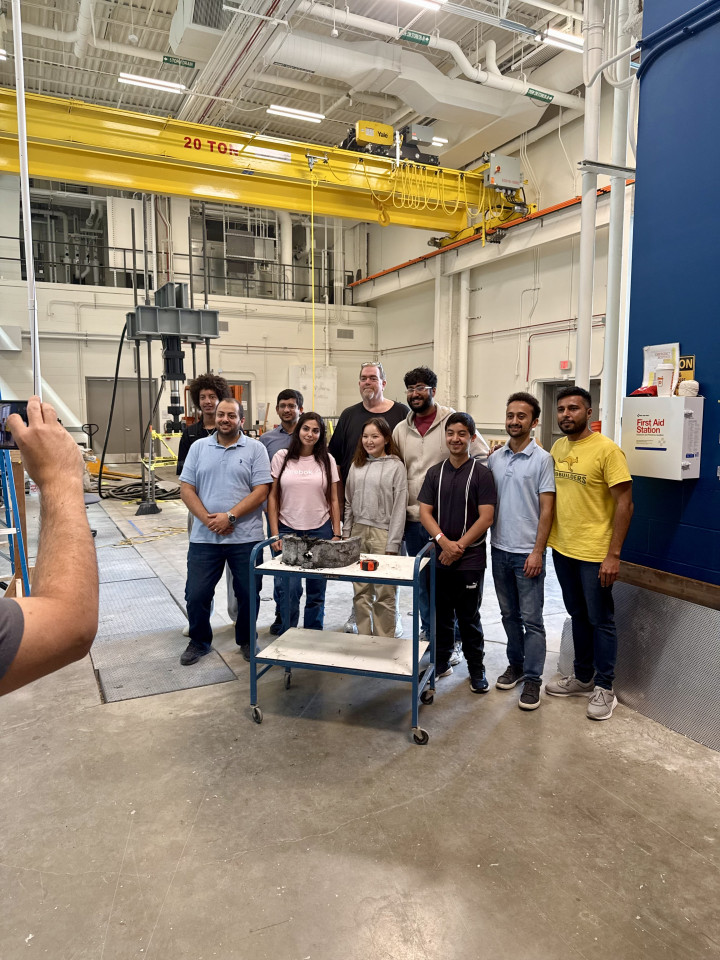
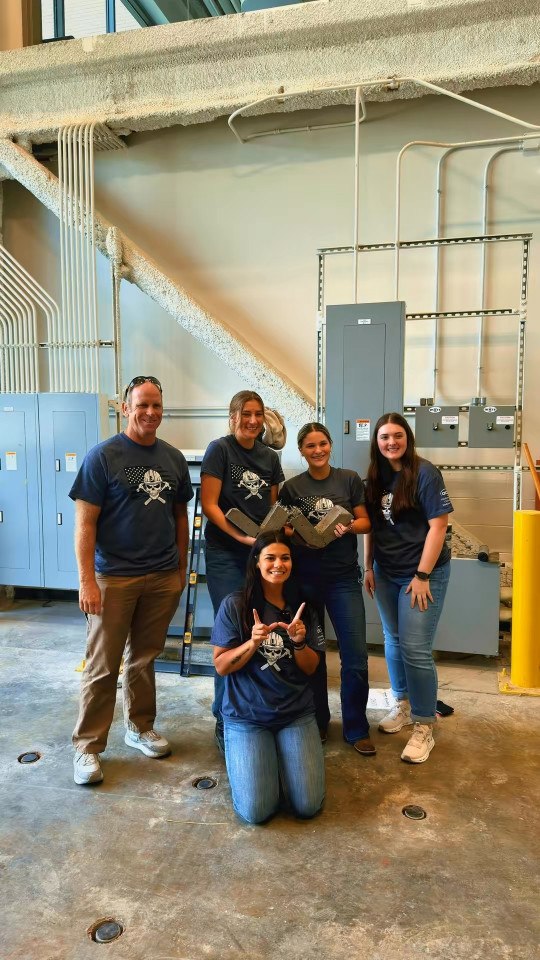
University of Missouri-Kansas City hosted a regional ACI Egg Protection Device Competition on September 20, 2025! Huge congratulations to Team PSU for securing 1st place and Team UMKC for achieving 2nd place.
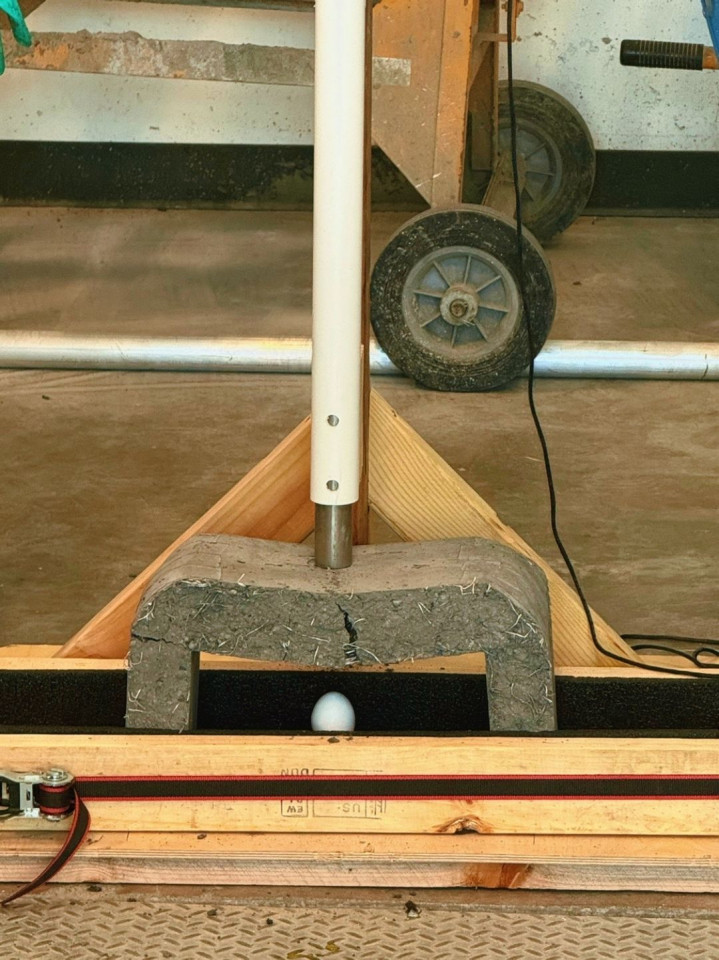
This competition challenges undergraduate teams to design and build the highest-impact load-resistant UHPC Egg Protection Device (EPD) while exploring the sustainability, durability, and impact resistance benefits of ultra-high-performance concrete (UHPC).
The event was filled with innovation, learning, and meaningful networking that will foster long-lasting connections. All teams will take lessons learned from this regional competition and head to the student competition at the ACI Fall Convention in Baltimore, Maryland later this month, and compete against student chapters across the globe.
We were beyond proud to be a sponsor alongside James Van Acker of this wonderful competition! A special thank you to Ceki Halmen, and the entire team at University of Missouri Kansas City: Apurba A., Ibrahim Mushtaq, MOMN TELFAH, and Parisa Nemati. Your hard work made this competition a big success! And last but not least, thanks to Seth O'Brien, CPC, LEED AP and his team from Pittsburg State University.
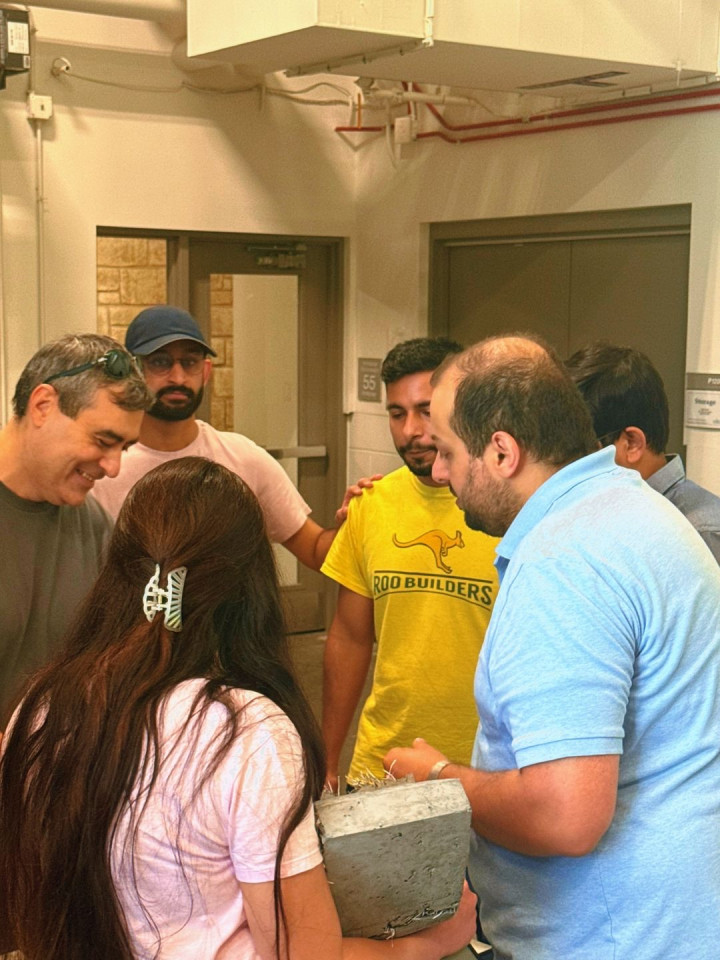
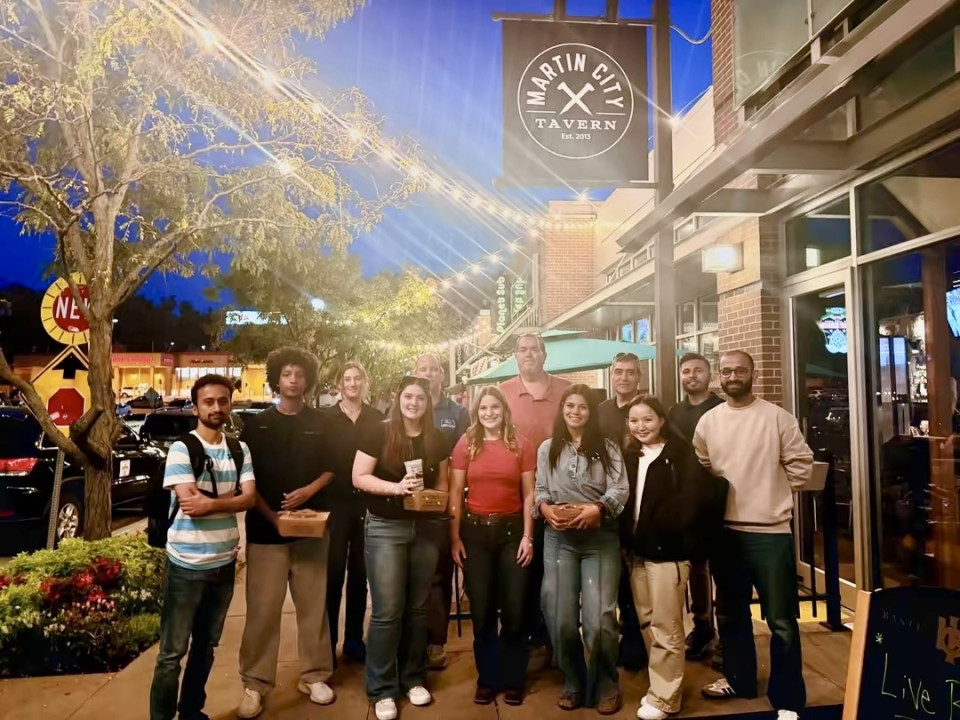
Thank You for a Successful Concrete Cavalcade!
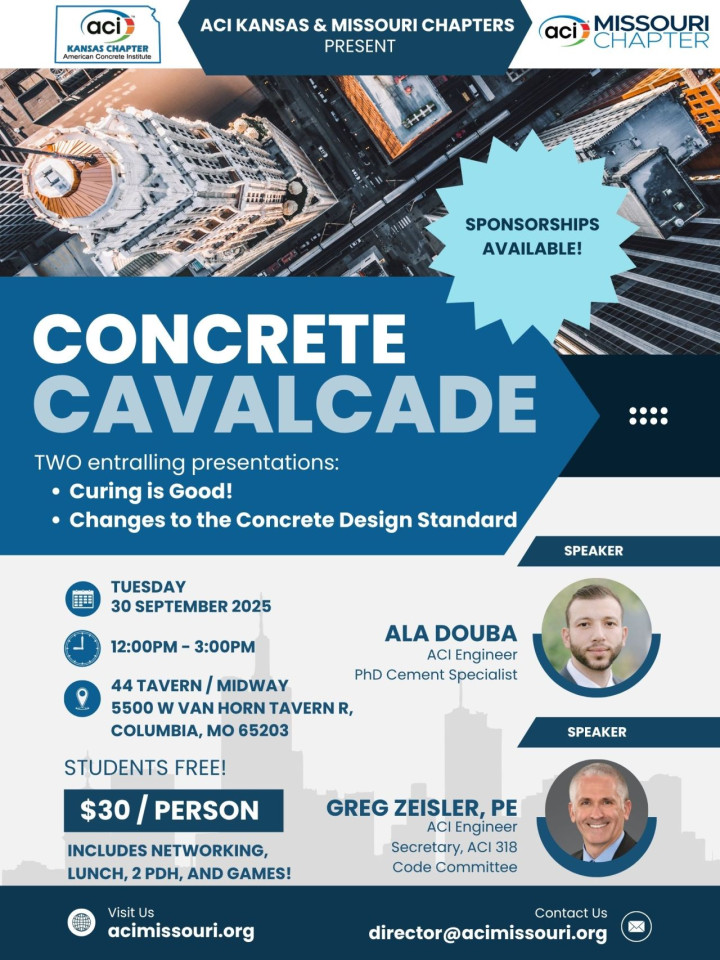
The Missouri and Kansas Chapters of the American Concrete Institute are pleased to share that the first inaugural Concrete Cavalcade was a great success! This event would not have been possible without the expertise of our speakers and the generosity of our sponsors.
Our speakers, Ala Douba and Greg Zeisler, P.E., shared their expertise that highlighted the latest developments within the concrete industry. Their presentations sparked meaningful conversations and left attendees with valuable takeaways to apply in their daily work.
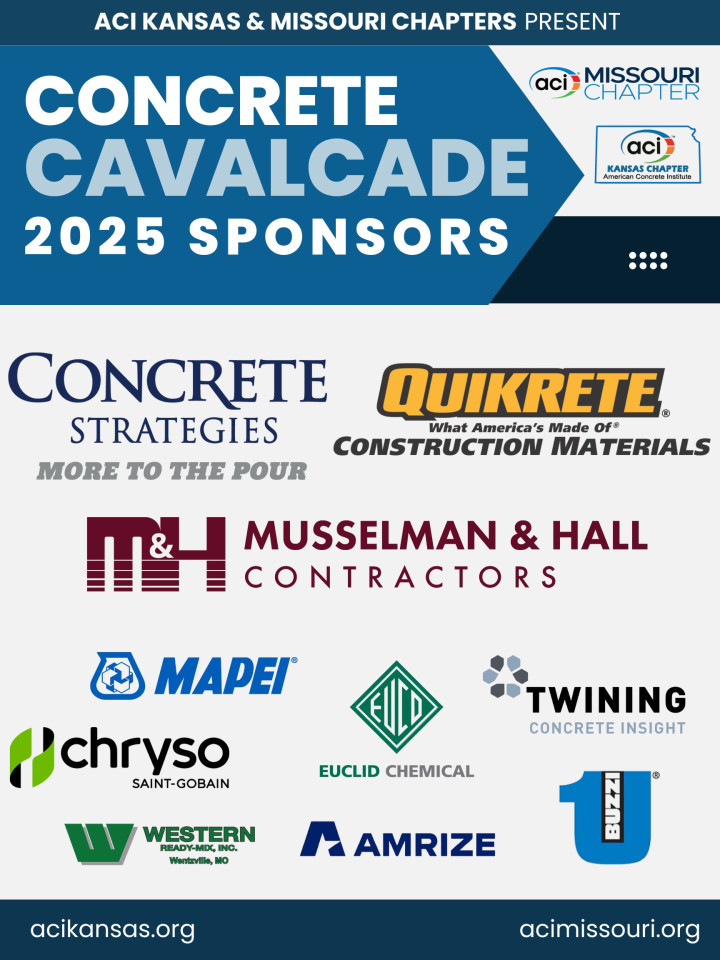
We are also extremely grateful to our amazing sponsors! Their support made this event possible by allowing us to create opportunities for professionals to grow and connect. Their commitment to advancing our industry is commendable.
The 2025 Concrete Cavalcade demonstrated the power of collaboration within our industry. We look forward to building on this momentum for next year's Cavalcade!
ACI Missouri Recognized as an Excellent ACI Chapter
ACI Missouri has been named an ACI Excellent Chapter for 2024.
This program was initiated to recognize chapters that have attained the highest level of achievement in chapter activities. ACI has 94 Professional Chapters and 349 Student Chapters throughout the world! Our chapter takes exceptional pride in having reached this level since only 26 ACI chapters are receiving this award for 2024.
ACI Missouri has attained Excellent status over 30 years.
Kyle Kammer featured on ACI University!

ou have access to the ACI University All-Access Digital Subscription, if you are an ACI member or annual subscriber. You now have immediate access to all future live webinars, and new and archived on-demand courses as soon as they are available. The following is now available for your access and/or registration:

ACIMOBOWL24 is on its way!
ACI Conventions have a long history of conducting fiber-reinforced bowling ball competitions every two years! Read more about the official ACI FRC Bowling Ball competition or watch this video!
We're bringing that competition with a local flavor, right here in Missouri! This competition isn't limited to students - industry teams and families are encouraged as well (lets see if experience can outperform youth!). The winning Student team will be awarded a prize of $500, and the second placed Student team will receive $250. The overall winning team, including non-Student teams, will be awarded “The ACI MO Concrete Bowling Ball Traveling Trophy" currently held by Western Ready-Mix. Team Competition sign up required, deadline is November 8, 2024.The rules will be less complex, optimized for fun! We hope you join us for a unique fun networking event. Official rules can be read here.
RSVP Deadline is November 13, 2024
Food from Hi-Pointe Drive In and two drinks from 4Hands Brewery included for this event, thanks to our generous sponsors! There is no cost to attend this event but RSVP is required - Sign up today!
Corporate Sponsorships are available.
How Concrete Started: A History by Luke Snell
This is a six - part series on the origins of concrete, originally published World of Concrete 360. Republished with permission from the Author. Full six part pdf can be viewed here, but for the best experience begin at Sun Dried Bricks - Part 1.
SUMMARY of timeline
- Widespread control and use of fire by man: 126,000 BC
- Making fired clay figurines (Czech Republic): 29,000 BC
- Making fired clay pottery (China): 18,000 BC
- Making sun dried bricks (Israel): 9000 BC
- Making lime (Turkey and Israel): 7000 BC
- Making fired bricks (China): 4400 BC
- Making gypsum (Egypt): 2600 BC
- Making Roman cement (Italy): 1 AD
Sun dried bricks with mud mortar (Part 1):
Fired bricks with various mortars (Part 2):
Gypsum cement as mortar and plaster (Part 3):
Lightweight Concrete Pins: A project for our industry!
A PDF of this article can be found HERE
By Luke M. Snell. P.E., Concrete Consultant, Edwardsville, IL
Recently, I was in Mongolia speaking at their annual concrete conference, doing batch plant inspections and working with the university students. On our first trip to Mongolia in 2002, I saw no concrete batch plants (all concrete was sited batched), no admixtures being used in the concrete (It gets down to – 50 F, so admixtures are needed). They now have an elected democratic government, enjoy a growing economy with great resources of copper, gold and silver. This had resulted in a building boom with over 100 modern central batch plants, new concrete trucks and chemical admixture commonly used.
This was our 15th trip to Mongolia and likely to be our last so we wanted to do something special, by making others aware of progress in Mongolia and show the versatility of concrete. Previously, we had worked with students at Arizona State University to make pink concrete heart necklaces for a breast cancer awareness program. Building on the idea of the pink concrete necklaces being a symbol of hope, I decided to make lightweight concrete pins to be given out at their annual concrete conference and to a Mongolian hospice program. For the people attending the concrete conference, the pins would show the versatility of concrete and that concrete can be beautiful. For those in the hospice program, the concrete pins would be a symbol that the people that made them are concerned for them and their family as they face one of life’s most difficult moments.
To start the pins project and with the support of several chapters of the American Concrete Institutes (see acknowledgments), I purchased the needed supplies. The first group to make pins was a church and community group that wanted to support the hospice program in Mongolia. They saw this as a meaningful craft project since they had no experience in concrete. After a 10 minute discussion of what we were doing and a brief introduction to concrete, they started mixing and placing concrete. Of coarse we had pizza to keep everyone motivated.
The second groups to make pins were engineering students from 3 universities (Southern Illinois University Edwardsville, Missouri University of Science and Technology and Mongolian University of Science and Technology - Ulaanbaatar). They enjoyed making the pins because they saw a unique use of concrete that was quite different than their concrete classes. They also were pleased that their developing engineering skills could be used in a humanitarian way. The results of these combined efforts created over 400 pins. Some of these pins are shown in Figure 1.
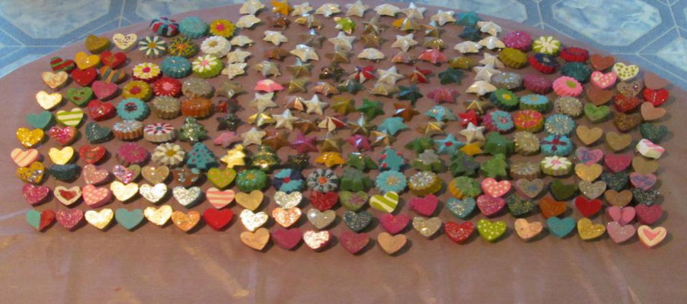
Figure 1: Concrete pins taken to Mongolia
Making the pins: The pins have to be made in a two separate sessions. The first session is to cast the concrete. The forms are available at most craft stores and are either candy molds or fancy ice cube trays made of plastic. The forms that worked best are stars, hearts, flowers and trees. I tried other forms such as cactus and bumble bee. Most samples broke or had voids when removed from the forms. Thus I do not recommend these types of molds.
The mixture I recommend is to use two parts perlite as the aggregate (available at most garden stores) and one part cement measured by volume. Water should be added to make the concrete look like a brownie mixture (for concrete people, a low slump). If you add too much water, the perlite will float to the surface, so be very careful and add the water slowly.
Make small batches since the molds require very little concrete. For example, one pint of this mixture will make about 10 pins. For people inexperienced in making concrete, I recommend making the concrete in the quart or gallon plastic bags. That way they will have less mess and will limit their exposure to the concrete as shown in Figure 2
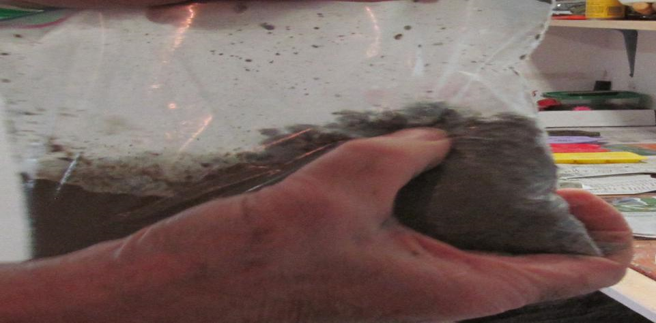
Figure 2: Making concrete in a plastic bag. Note that the concrete has a “low slump”
If you are in a lab and want to make larger batches, you can use a mixing bowl as shown in Figure 3.
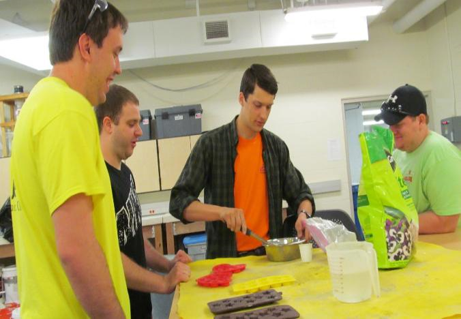
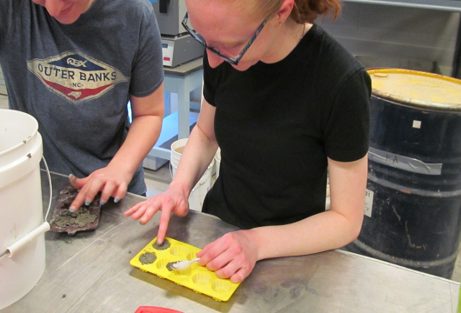
Figure 3: Students at Southern Illinois Edwardsville and Missouri University of Science and Technology making and casting the concrete.
Casting the concrete samples requires some compaction effort. This can be accomplished by using the bottom side of a plastic spoon or the craft stick. If they use their finger to consolidate the concrete ( as shown in figure 3), make sure they wash their hands immediately. Final finishing can be done with a craft stick. The casting of the concrete will take about one hour.
After the concrete has been cast, the samples should be allowed to cure and dry at room temperatures. Leave the samples in the molds for at least 24 hours, then remove them from the molds. Store them for one week at room temperature so they can both cure and dry out. Note: this concrete when dry will actually float. This will surprise most people because they expected the concrete pins to be heavy.
Making the pin (Second Session) about one week later: Once the concrete had cured and dried, the tops of the concrete samples, (the surface you finished with the craft stick) should be lightly sanded using sand paper so that the surface is flat. The dust should be wiped off or blown off with compressed air. The samples ares now ready to be ready to be decorated.
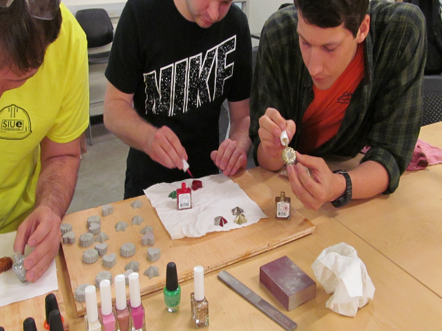
Figure 4: Students coloring the samples
I recommend using fingernail polish. Several colors are available (these can be purchased a a discount store). Each bottle has its own brush thus paint brushes are not needed. Encourage the people painting the samples to be creative and allow their artistic abilities to show.
The final step is to apply the backer pins to the back of the sample (the side you sanded).
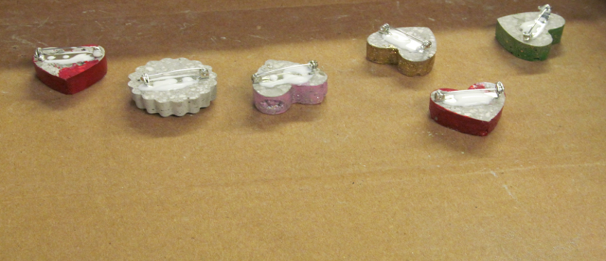
Figure 5:The backer pins are glued onto the back of the pins.
Why should we make concrete pins? Many of us are involved in scouting programs and/or youth groups that would like to do a project that has meaning to them and will make a lasting impression about concrete. In my opinion, the concrete pins accomplishes this. It is relatively low cost and fun to do. It also introduces those making or receiving the pins to the concrete industry.
Acknowledgments
This project was successful because of the support of the following Chapters of the American Concrete Institute:
|
|
|
 |
 |
 |
 |
INSTRUCTIONS FOR MAKING LIGHTWEIGHT CONCRETE PINS
Materials needed
- Cement - Any cement will be OK,
- Perlite - Available in many stores in their garden center
- Molds – Michael/ Hobby Lobby /Walmart/ internet. Molds are typically used for making candy or are fancy ice cube trays. I found the star and heart molds at Michaels. flower molds at Walmart craft section. Odd shaped molds such as bumble bee and cactus are difficult to use since the samples tend to break when you take them from the molds. Heart, star and flower molds are the easiest to use.
- Backer pins are available at most craft or hobby stores. The back pins at Walmart are the ideal size.
- Glue - I used “Elmer’s Glue - All” but you can use any glue that can be washed off your hands. Do not use super glues.
- Finger Nail Polish – Cheapest is at discount stores such as the Dollar Store. Make sure you get a variety of colors. Note the finger nail polish has its own brush so is easy to apply. Have finger nail remover available for clean up (people will get finger nail polish on their fingers as they decorate the sample).
- File or sandpaper
- Newspapers (to protect the work surface), paper or plastic cups (to hold the water), plastic spoons, craft sticks and quart or gallon seal-able plastic bags. A measuring cup ( I/4 or 1/2 cup) with a handle is ideal - this allows you to accurately measure the cement and perlite without physically touching it.
Mixture Design
- Two (2) parts perlite to one (1) part cement (by volume). Use the measuring cup to put the material into the plastic bag.
- Seal the plastic bag and knead and gently shake the bag until the cement and perlite mixture looks uniform.
- Add water and mix by kneading the mixture until the concrete looks like a brownie mix (for concrete people, a low slump). Be careful in adding water - if the concrete gets to sloppy ( high slump), the perlite will float to the surface and the samples will be ruined.
- Make sure the concrete looks uniform throughout the mixture with no dry or wet spots spots evident.
Placing Procedure
- Place concrete mixture into the molds
- Consolidate the concrete with the back of the spoon or with the craft stick (remember it is a low slump concrete so it will take some effort to make sure there are few voids in the finished sample). If you use your fingers to consolidate, wash your hands as soon as you are done.
- Make sure to fill the mold completely with concrete. Once the mold is filled, use the craft stick to make the top surface as smooth as possible.
- Dispose the newspapers, spoons,craft sticks and the plastic bag with the unused concrete into the trash. Do not dispose any left over concrete into the sinks. Make sure everyone washes their hands.
- Leave the concrete in the molds for at least 24 hours. Carefully remove the samples from the molds and clean the molds. Do not dispose the wash water for cleaning the molds into the sink.
Making the Pins
- After removing the concrete from the molds, store the samples in a dry warm place for about a week. This will allow the concrete to cure and dry out.
- Sand or file the top surface until smooth. Wipe or blow off the dust using compressed air. Small cans of compressed air are available at most computer stores.
- Paint the formed surfaces with fingernail polish – be creative!!!
- Let the fingernail polish harden – this takes only a few minutes. You will need finger nail remover if people get the finger nail polish onto their hands.
- Glue the backer pin onto the concrete surface that you sanded.
- Let the glue dry. Depending on the glue you use, this may take a few minutes.
- Pins are now complete.
Missouri Chapter ACI is an Excellent Chapter for 2025
We are pleased to announce that the Missouri ACI chapter has been named an ACI Excellent Chapter for 2025!
This program was initiated to recognize chapters that have attained the highest level of achievement in chapter activities. Our chapter can take exceptional pride in having reached this level since only 32 ACI chapters are receiving this award for 2025.
The award will be announced during ACI’s 2026 spring convention at the Opening Session in Rosemont/Chicago, IL on Sunday, March 29, 2026
